Can You Treat Pigmentation in Dubai Summer? (Safety Guide)
Worried about pigmentation treatment in Dubai's intense summer? Discover which treatments are safe, what to avoid, and when to start. Expert guide by Rere Polyclinic.
Byadmin
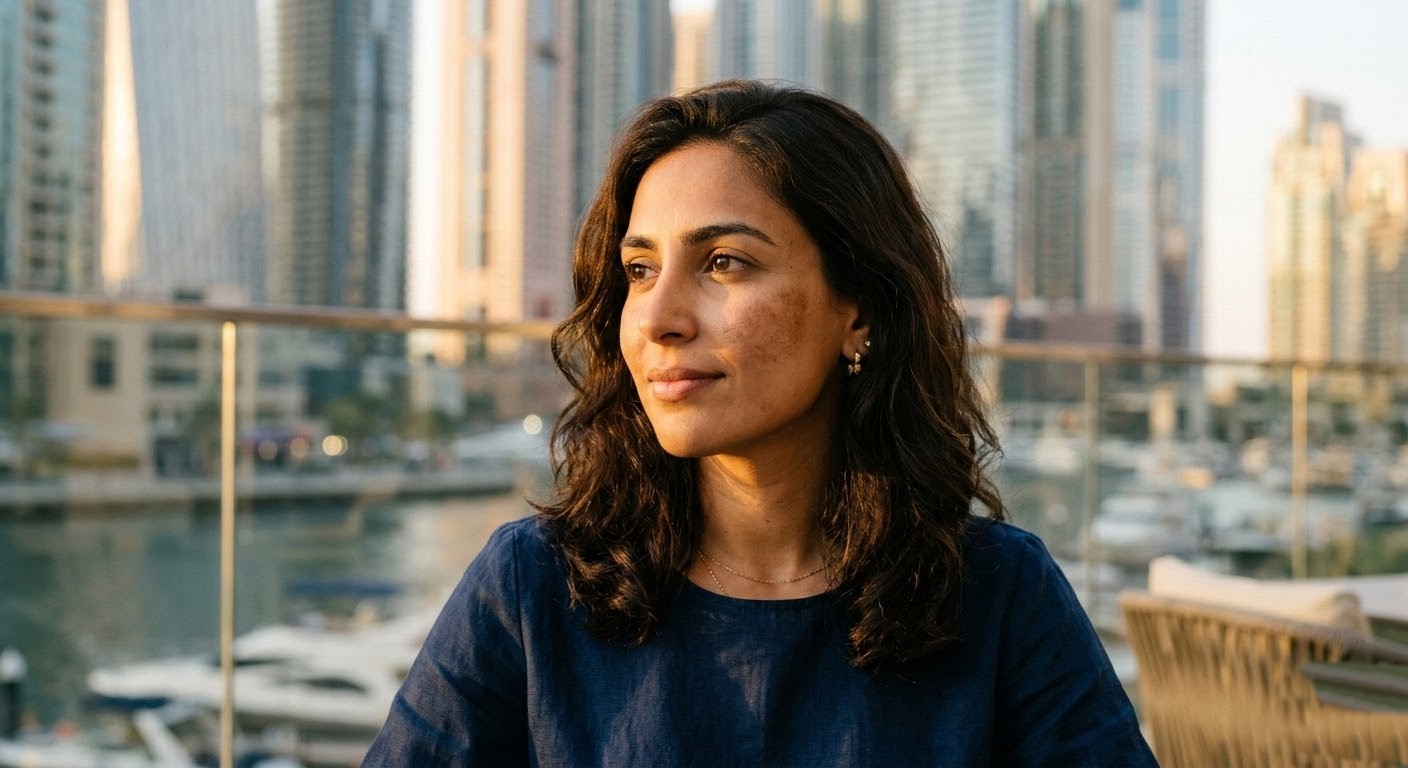
Dubai’s summer is relentless. UV index readings regularly hit 11—the highest possible level—and the heat peaks between June and September. If you’re dealing with dark spots, melasma, or uneven skin tone, you’ve probably wondered: Can I still treat my pigmentation right now, or do I have to wait?
The honest answer isn’t yes or no. It depends entirely on which treatment you choose and how you protect your skin afterward.
At Rere Polyclinic in Dubai Jumeirah, our DHA-licensed dermatologists see pigmentation patients year-round. We’ve developed clear protocols for treating skin safely during peak UV months without triggering post-inflammatory hyperpigmentation (PIH) or making existing dark spots worse.
This guide gives you the full picture—what’s safe, what to avoid, and why timing matters in a city where the sun doesn’t take a break.
Is It Safe to treat pigmentation during the Dubai Summer?
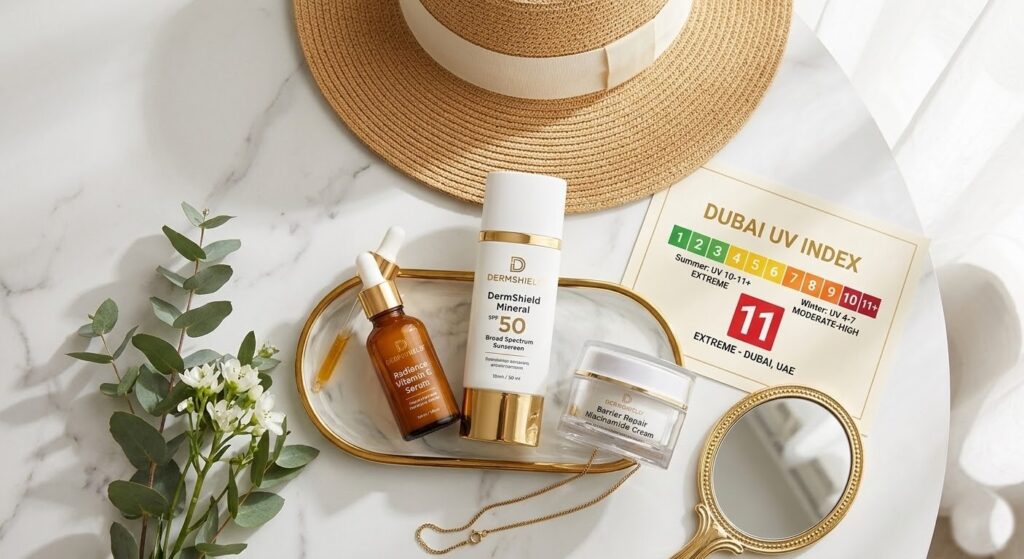
Some pigmentation treatments are safe in summer with strict sun protection, while aggressive procedures like ablative lasers and deep peels carry significant risks of worsening dark spots in high-UV conditions.
The core issue isn’t the treatment itself—it’s the interaction between the treatment and UV exposure afterward. When your skin is treated for pigmentation, it enters a sensitive state. Melanocytes (pigment-producing cells) are temporarily disrupted. Expose freshly treated skin to Dubai’s summer UV index—which averages 10–11 from May through September—and those same cells can overproduce melanin, creating darker patches than you started with.
This is called post-inflammatory hyperpigmentation (PIH), and it’s more common in medium-to-darker skin tones (Fitzpatrick skin types III–VI), which represents a significant portion of Dubai’s diverse population.
That said, “avoiding all treatment” in summer is not the answer either. Certain treatments are designed to work alongside a disciplined sun protection routine, making meaningful progress on your skin even in peak months.
What Skin Types Are at Highest Risk in Summer?
Patients with Fitzpatrick types III through VI face the greatest risk of PIH after aggressive pigmentation treatments. Darker skin contains more active melanocytes that react intensely to heat and UV exposure. At Rere Polyclinic, every treatment plan is personalised by skin type before any procedure is recommended.
Which Pigmentation Treatments Are Safe During Dubai Summer?
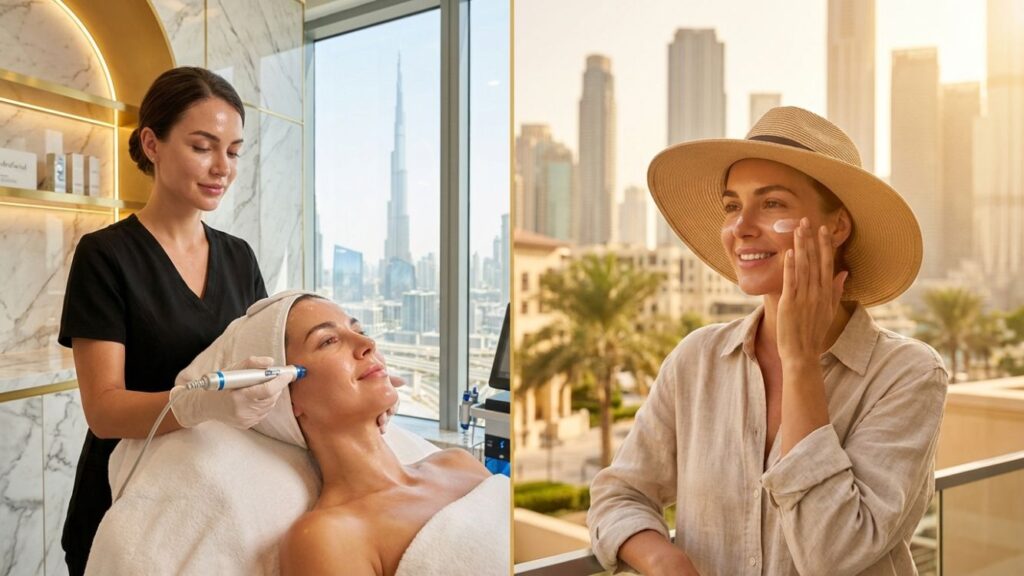
Topical brightening agents, maintenance HydraFacials, and low-energy non-ablative treatments remain safe in summer when combined with daily broad-spectrum SPF 50 sunscreen and sun avoidance.
The key phrase is combined with sun protection. No in-clinic treatment—however gentle—works in isolation when you’re walking into 44°C sunshine within hours.
Safe Topical Treatments (Year-Round)
These DHA-approved topical ingredients continue to work safely in summer with morning SPF application:
- Vitamin C (L-ascorbic acid): Neutralises free radicals from UV exposure while gradually fading oxidative dark spots
- Niacinamide (Vitamin B3): Reduces melanin transfer to skin cells; clinically shown to improve uneven skin tone by 35–68% over 8 weeks
- Azelaic acid: Mild tyrosinase inhibitor that suppresses abnormal melanocyte activity without causing sun sensitivity
- Kojic acid: Plant-derived brightening agent that works progressively without photosensitising the skin
Safe In-Clinic Options in Summer
HydraFacial with Brightening Boosters: Rere Polyclinic offers HydraFacial treatments enhanced with MURAD Vitamin C brightening serums. The treatment exfoliates superficially, extracts congestion, and delivers brightening actives—without the skin-sensitising effects of laser or chemical peels.
Low-Level LED Therapy: Specific wavelengths (625nm red + 415nm blue) support melanin regulation without triggering UV sensitivity. Safe throughout the year.
Gentle enzyme peels (pH > 3.5): Superficial enzyme-based peels that don’t disrupt the skin barrier remain appropriate for summer when followed by strict SPF.
Which Pigmentation Treatments Should You Avoid in Dubai Summer?
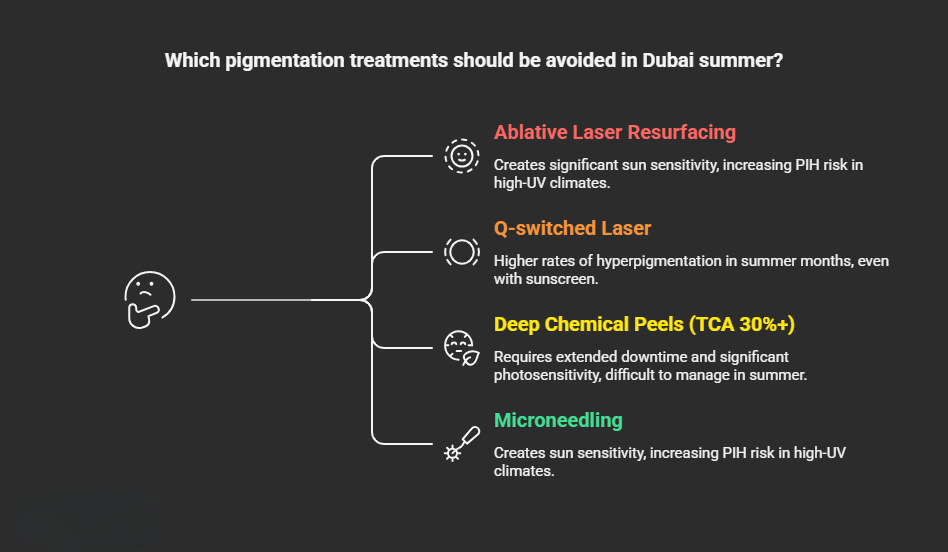
Ablative laser resurfacing, Q-switched laser, deep chemical peels (TCA 30%+), and microneedling should be deferred to cooler months as they create significant sun sensitivity that Dubai’s UV levels can easily reverse or worsen.
This is not a blanket ban on laser—it’s a timing recommendation based on clinical outcomes in high-UV climates.
Why Laser Pigmentation Treatments Are Riskier in Summer
Laser pigmentation treatments—including Q-switched Nd:YAG, PicoSure, and fractional CO2—work by delivering targeted energy to melanin-dense areas. The skin then heals through a controlled inflammatory response. That healing window, typically 7–21 days, is when the skin is most vulnerable to UV-triggered PIH.
A 2022 study published in the Journal of Dermatological Treatment found that patients who received Q-switched laser treatments in summer months showed 40% higher rates of post-treatment hyperpigmentation compared to those treated in autumn and winter—even among patients who reported using sunscreen.
In Dubai, where UV exposure is incidental (car parks, brief outdoor walks, reflective glass buildings), avoiding all UV contact for 2+ weeks post-laser is practically impossible.
Deep Chemical Peels and TCA
Medium to deep chemical peels using trichloroacetic acid (TCA 20–30%+) or phenol require extended downtime and create significant photosensitivity. Dubai’s summer months make adequate post-peel sun protection extremely difficult to maintain, dramatically increasing PIH risk.
How Does Dubai’s UV Index Affect Pigmentation Treatments?
Dubai’s UV index of 10–11 in summer months is 3–4 times higher than the UV level at which standard SPF 50 sunscreens were tested, meaning even diligent sunscreen use offers reduced protection compared to lower-UV climates.
This is a fact that surprises most patients. SPF ratings are standardised under a UV index of approximately 3. When the UV index reaches 11—Dubai’s summer norm—UV radiation intensity is so high that the mathematical protection factor diminishes in real-world conditions.
What this means practically:
| UV Index | Season in Dubai | Outdoor UV Exposure Time Before Damage |
|---|---|---|
| 2–3 | December–January | 60+ minutes |
| 6–7 | March–April | 20–30 minutes |
| 10–11 | June–September | 10–12 minutes |
For pigmentation patients—especially post-treatment—those 10–12 minutes add up fast in daily Dubai life.
The Solution: Reapplication + Physical Barriers
Rere Polyclinic’s dermatologists recommend:
- SPF 50+ broad-spectrum sunscreen every 2 hours when outdoors
- Physical barriers (wide-brim hats, UPF50 clothing) for all outdoor activity
- Planning outdoor activities before 10 am or after 4 pm between May–September
- Apply antioxidant-rich topical Vitamin C in the morning to neutralise free radical damage
How to Protect Your Skin Post-Treatment in Dubai Summer?
Post-treatment skin in Dubai summer requires SPF 50 applied every 2 hours, complete avoidance of peak sun hours (10 am–4 pm), and a calming skincare routine focused on barrier repair, not actives.
The 72 hours immediately after any pigmentation treatment are the highest-risk window. Here’s the exact post-care protocol Rere Polyclinic prescribes:
Days 1–3 (Critical Window):
- Avoid all direct sun exposure entirely where possible
- Use a gentle, fragrance-free cleanser (no exfoliants)
- Apply prescribed calming serum (centella asiatica or panthenol-based)
- Mineral SPF 50+ (zinc oxide/titanium dioxide—not chemical filters) applied generously
Days 4–14 (Active Protection Phase):
- Reapply mineral SPF 50 every 2 hours if outdoors
- Avoid saunas, steam rooms, and intense exercise that raises skin temperature
- Continue brightening topicals only after clearance from your dermatologist
- Wear protective headwear when outdoors
Ongoing Maintenance:
- Incorporate daily oral antioxidant supplements (Vitamin C, Polypodium leucotomos extract—clinically shown to reduce UV-induced pigmentation)
- Book a 4-week follow-up review at Rere Polyclinic to assess treatment response
When Is the Best Time to Start Pigmentation Treatment in Dubai?
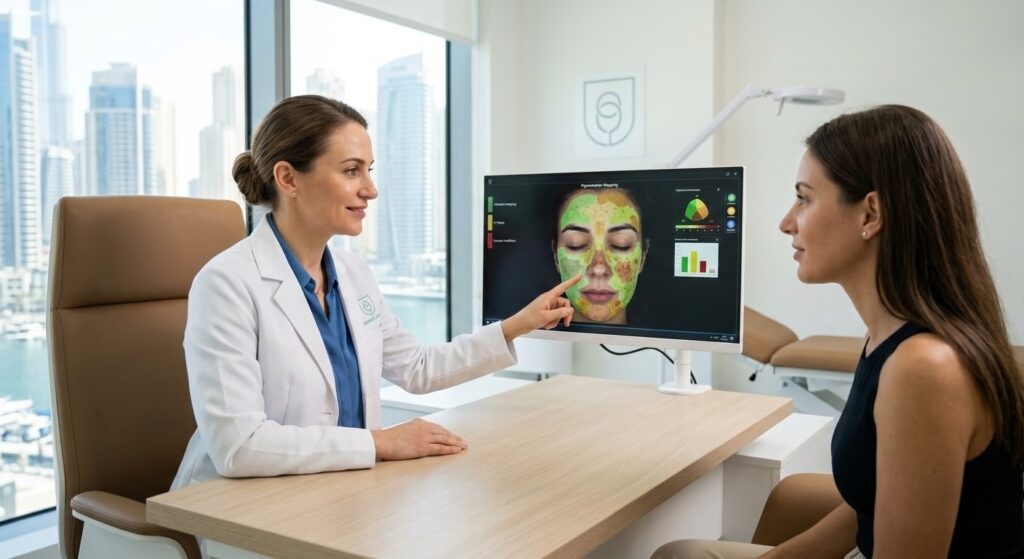
October through April is the optimal window to begin intensive pigmentation treatments in Dubai, as UV index drops to 4–7, reducing post-treatment PIH risk and allowing laser and peel treatments to deliver full results.
Dubai’s cooler months aren’t just more comfortable—they’re clinically better for pigmentation treatment outcomes. Here’s why:
October–November: UV index 6–7. Ideal for beginning a treatment programme. Patients can complete their full Q-switched or PicoSure laser course (typically 4–6 sessions spaced 4 weeks apart) between October and January.
December–February: UV index 3–5. The lowest UV period in Dubai. Best window for deep chemical peels, fractional CO2 resurfacing, and the first Nd:YAG session if treating melasma.
March–April: UV index rising to 7–8. Still manageable with strict SPF. Good for maintenance sessions and final treatment rounds.
May–September: UV index 10–11. Maintain results with topicals, HydraFacials, and strict sun protection. Begin planning your autumn treatment programme.
At Rere Polyclinic, we design 12-month pigmentation treatment calendars that maximise results by aligning treatment intensity with Dubai’s seasonal UV cycle.
Frequently Asked Questions About Pigmentation Treatment in Dubai Summer
Q1: Can melasma get worse in Dubai summer even without treatment?
Yes. Melasma is directly triggered by UV exposure and heat, meaning Dubai summer alone—without any clinic treatment—can deepen existing patches and create new ones.
Melasma involves overactive melanocytes that respond to UV radiation, heat, and hormonal signals. A 2023 study in the British Journal of Dermatology confirmed that sustained UV exposure without adequate protection caused melasma progression in 73% of untreated patients in high-UV environments. Daily SPF 50+ remains the single most important intervention—even during non-treatment months.
Q2: Is HydraFacial safe for pigmentation in summer?
HydraFacial is one of the safest in-clinic pigmentation treatments in Dubai summer, providing gentle exfoliation and brightening without creating UV-sensitivity or PIH risk.
At Rere Polyclinic, we enhance HydraFacial treatments with targeted brightening boosters including Vitamin C and niacinamide serums. Unlike laser or chemical peels, HydraFacial doesn’t disrupt the skin barrier, making it suitable year-round for patients managing ongoing pigmentation concerns.
Q3: How many sessions does pigmentation laser treatment require?
Most laser pigmentation treatments require 4–8 sessions spaced 3–6 weeks apart, with the total number varying based on pigmentation depth, skin type, and treatment response.
At Rere Polyclinic, our DHA-licensed dermatologists assess each patient individually before estimating session numbers. Superficial sunspots may resolve in 2–4 sessions of Q-switched Nd:YAG. Deeper dermal conditions like melasma typically require 6–8+ sessions alongside a topical maintenance routine.
Q4: What’s the difference between sunspots and melasma treatment in Dubai?
Sunspots (solar lentigines) respond faster to laser treatment and carry lower PIH risk, while melasma is a chronic hormonal-UV condition requiring a longer, more conservative treatment approach year-round.
Sunspots are localised UV-damage deposits in the epidermis. They respond well to Q-switched laser or chemical peels with predictable outcomes. Melasma is more complex—it involves both epidermal and dermal melanin deposits and is linked to hormonal triggers. At Rere Polyclinic, we take a combination approach to melasma: topical agents, gentle procedures, and strict photoprotection as the foundation.
Q5: Does SPF type matter for pigmentation patients in Dubai?
Yes. Mineral SPF (zinc oxide/titanium dioxide) provides broader UV spectrum protection and is recommended over chemical SPF for pigmentation patients, especially post-treatment.
Chemical UV filters (oxybenzone, avobenzone) absorb UV energy as heat, which can stimulate melanocytes in heat-sensitive skin. Mineral filters physically reflect UV rays without heat conversion. For Dubai’s climate, Rere Polyclinic recommends mineral SPF 50+ as the daily standard for all pigmentation patients, with reapplication every 2 hours during outdoor exposure.
Conclusion
Dubai summer doesn’t have to put your pigmentation treatment goals completely on pause—but it absolutely demands a smarter, more targeted approach.
The safest path forward: protect aggressively now with topical brighteners and SPF 50, book your comprehensive dermatologist assessment at Rere Polyclinic to design your personalised treatment calendar, and use October as your starting point for intensive laser or peel-based treatment.
Pigmentation is a year-round challenge in Dubai. The results you want are absolutely achievable with the right timing, the right protocols, and DHA-licensed experts who understand how this city’s climate interacts with your skin.
Ready to start your personalised pigmentation treatment plan? Book a consultation with Rere Polyclinic’s dermatology team at Dubai — call +971-52-569-0467, WhatsApp us, or book online at rerepolyclinic.com.